
"Japanese coffee in Asia"
600 article(s) found

The Development of Japanese Coffee Culture in Asia
The first coffee spread to Japan was Nagasaki in the Yuanlu period. And people officially accepted it from the Meiji era. Now let's take a look at the coffee history of Japan. At first, the Japanese were not used to the coffee shop opening one after another in Western Europe, when the literature and art of coffee culture were in full bloom, while Japan was in the strict lock-up policy of the Edo era.

Coffee Bean Asia China Taiwan
18th century, 1884 (Guangxu 10 years) British introduced coffee in Taipei Three Gorges trial planting, Japanese occupation era, Japanese see Taiwan climate soil suitable for coffee, so from abroad to introduce "Arabica", in the north trial success, then in Zhiben, Mizuho a large number of investment in planting, yield is good. 19th century, 1941, rich production, good quality flavor, resulting in coffee in Taiwan's victory period, soon
Starting with Coffee beans (48)-Asia-Taiwan
In the 18th century, in 1884 (Guang Xu's 10th year), the British introduced coffee for trial planting in the three Gorges of Taipei. during the Japanese occupation era, the Japanese saw that Taiwan's climate and soil were suitable for coffee, so they introduced "Arabica" from abroad and successfully planted it in the north. Mizuho invested a lot in planting and had a good yield. In the 19th century, in 1941, rich output and good quality and flavor led to the complete victory of coffee in Taiwan.

Coffee has become a popular drink, thanks to the Japanese.
As early as the end of the 17th century, the Dutch brought coffee to Asia in the early 18th century, and coffee was soon introduced to Japan. Before and after the Meiji Restoration, Japan advocated total westernization, and the coffee culture with Dutch flavor took root in Japan. During the Taisho period (1879-1926), due to the pervasive atmosphere of freedom and democracy, fresh and luxuriant culture, cafes have been very prosperous. But with the Japanese army,

Coffee training Culture Coffee and Japanese Culture
As early as the end of the 17th century, the Dutch brought coffee to Asia in the early 18th century, and coffee was soon introduced to Japan. Before and after the Meiji Restoration, Japan advocated total westernization, and the coffee culture with Dutch flavor took root in Japan. During the Taisho period (1879-1926), due to the pervasive atmosphere of freedom and democracy, fresh and luxuriant culture, cafes have been very prosperous. But with the Japanese army,

Basic knowledge of Coffee and Japanese Fine Coffee Culture
As early as the end of the 17th century, the Dutch brought coffee to Asia in the early 18th century, and coffee was soon introduced to Japan. Before and after the Meiji Restoration, Japan advocated total westernization, and the coffee culture with Dutch flavor took root in Japan. During the Taisho period (1879-1926), due to the pervasive atmosphere of freedom and democracy, fresh and luxuriant culture, cafes have been very prosperous. But with the Japanese army,

Asia Coffee famous Coffee producing area Indonesia
Professional coffee knowledge exchange more coffee bean information Please pay attention to the coffee workshop (Wechat official account cafe_style) the total output of coffee in Indonesia is also among the largest in the world, and the production of Arabica and Robsta is balanced in scale, with everything from cheap to noble quality. In addition, Indonesia is made up of 17508 archipelago and is the largest archipelago country in the world.

Sumatran Coffee producing area in Indonesia, Asia Coffee name Manning Coffee
Manning Coffee-the origin of the name Manning is not the name of the producing area, the place name, the port name, nor the name of the coffee breed. How did it get its name? In fact, it is a phonetic error of the mandheling people in Mandaining, Indonesia. During the Japanese occupation of Indonesia during World War II, a Japanese soldier drank mellow coffee in a cafe, so he asked the shopkeeper the name of the coffee.
Coffee in Japan
As early as the end of the 17th century, the Dutch brought coffee to Asia in the early 18th century, and coffee was soon introduced to Japan. Before and after the Meiji Restoration, Japan advocated total westernization, and the coffee culture with Dutch flavor took root in Japan. During the Taisho period (1879-1926), due to the pervasive atmosphere of freedom and democracy, fresh and luxuriant culture, cafes have been very prosperous. But with the Japanese army,
Coffee and Japan
As early as the end of the 17th century, the Dutch brought coffee to Asia in the early 18th century, and coffee was soon introduced to Japan. Before and after the Meiji Restoration, Japan advocated total westernization, and the coffee culture with Dutch flavor took root in Japan. During the Taisho period (1879-1926), due to the pervasive atmosphere of freedom and democracy, fresh and luxuriant culture, cafes have been very prosperous. But with the Japanese army,
Coffee training Culture-Coffee and Japan
As early as the end of the 17th century, the Dutch brought coffee to Asia in the early 18th century, and coffee was soon introduced to Japan. Before and after the Meiji Restoration, Japan advocated total westernization, and the coffee culture with Dutch flavor took root in Japan. During the Taisho period (1879-1926), due to the pervasive atmosphere of freedom and democracy, fresh and luxuriant culture, cafes have been very prosperous.

Fine Coffee Training Culture Coffee and Japan
Coffee was brought to Asia by the Dutch at the end of the seventeenth century and early eighteenth century, and coffee was soon introduced to Japan. Around the Meiji Restoration, Japan advocated total Westernization, and the coffee culture with Dutch flavor had taken root in Japan. During the Taisho period (1879 - 1926), coffee houses flourished because of the liberal democratic atmosphere and the fresh and flourishing culture. But with the Japanese militarism

The most famous coffee producers in Asia are the islands of Malaysia.
The most famous coffee producers in Asia are the islands of Malaysia: Sumatra, Java and Kaliman. Sumatra Manning coffee from the Indonesian island of Sumatra is the most famous. Mantenin coffee is produced in Lake dopa in Sumatra Province and Lake Tawa in Aceh. This is the famous Shuangman of the two lakes. What Shuangman of the two lakes have in common is that they are both very thick.
The differences and characteristics of the three major coffee cultural circles in the world-Japanese coffee, Nanyang coffee and North American coffee
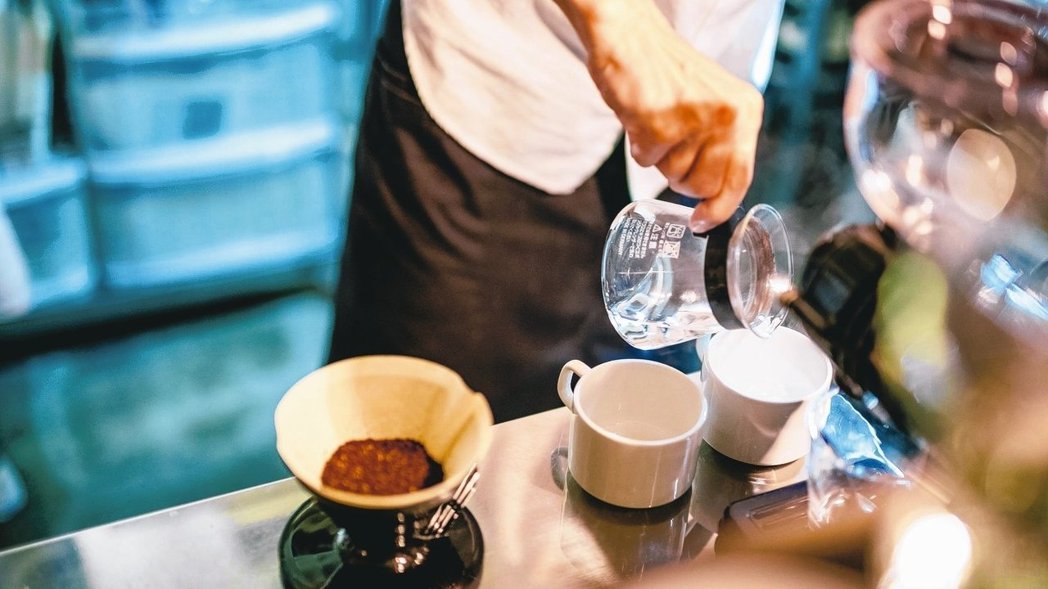
Professional coffee knowledge exchange more coffee bean information please follow the coffee workshop (Wechat official account cafe_style) North Asia (Japan), one of the two major coffee cultural circles in Asia | mild, sweet and slightly bitter coffee was introduced to Japan in the 16th century, and in the late Meiji era (1888), the first teahouse selling coffee appeared in Japan. Since then coffee culture has gradually spread in Japan.

The most famous coffee producers in Asia are Sumatra, Java and Kaliman, India.
The most famous coffee producers in Asia are the islands of Malaysia: Sumatra, Java and Kaliman. Sumatra Manning coffee from the Indonesian island of Sumatra is the most famous. Mantenin coffee is produced in Lake dopa in Sumatra Province and Lake Tawa in Aceh. This is the famous Shuangman of the two lakes. What Shuangman of the two lakes have in common is that they are both very thick.

Coffee and the Story of Coffee Culture in Japan
As early as the end of the 17th century, the Dutch brought coffee to Asia in the early 18th century, and coffee was soon introduced to Japan. Before and after the Meiji Restoration, Japan advocated total westernization, and the coffee culture with Dutch flavor took root in Japan. During the Taisho period (1879-1926), due to the pervasive atmosphere of freedom and democracy, fresh and luxuriant culture, cafes have been very prosperous. But with the Japanese army,
Boutique Coffee Culture Coffee and Japanese Cultural Story
As early as the end of the 17th century, the Dutch brought coffee to Asia in the early 18th century, and coffee was soon introduced to Japan. Before and after the Meiji Restoration, Japan advocated total westernization, and the coffee culture with Dutch flavor took root in Japan. During the Taisho period (1879-1926), due to the pervasive atmosphere of freedom and democracy, fresh and luxuriant culture, cafes have been very prosperous. But with the Japanese army,
Coffee and the basic knowledge of Japanese Coffee Culture
As early as the end of the 17th century, the Dutch brought coffee to Asia in the early 18th century, and coffee was soon introduced to Japan. Before and after the Meiji Restoration, Japan advocated total westernization, and the coffee culture with Dutch flavor took root in Japan. During the Taisho period (1879-1926), due to the pervasive atmosphere of freedom and democracy, fresh and luxuriant culture, cafes have been very prosperous. But with the Japanese army,

Mantenin boutique coffee beans from Sumatra, Indonesia, Asia
The most famous coffee producers in Asia are the islands of Malaysia: Sumatra, Java and Kaliman. Sumatra manning coffee from the Indonesian island of Sumatra is the most famous, it has two famous names, Sumatra mantenin DP first class and collection Sumatra mantenin. Sumatra Mantenin DP has a long aftertaste, with a wild fragrance.
Introduction to the Cultural characteristics of Asian Indonesian Sumatran Coffee in Golden Manning Story
The output of coffee in Asia is second only to Central and South America. Indonesia has always been a big coffee producer in Asia, but in 1999, coffee production in Vietnam increased by leaps and bounds, squeezing out the status of Indonesian coffee beans and becoming the largest country in Asia. Compared with the beautiful acidity of Central and South America, Asian coffee is more mellow and woody.